Italiano
 English

Seborrheic alopecia: what is it and what treatments to use
.jpg "Seborrheic alopecia: what is it and what treatments to use")
Seborrheic alopecia is a major cause of hair loss that is often misunderstood and underestimated
It is a condition that combines two distinct issues: seborrhea, or excessive sebum production, and alopecia, or hair loss. This phenomenon can affect men and women of all ages and, if not treated properly, can lead to marked thinning of the hair. But what makes seborrheic alopecia so difficult to manage and what are the most effective treatments? In this article we will delve into the causes of this condition, how to recognize it, and the most effective solutions to treat it.
What is seborrheic alopecia?
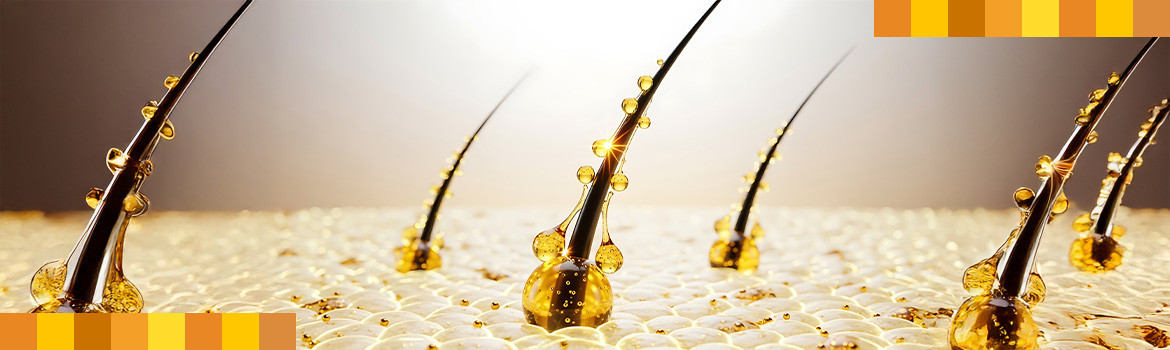
Seborrheic alopecia is a type of androgenetic alopecia that develops in conjunction with seborrhea. Seborrhea is caused by overactivity of the sebaceous glands, which produce excess sebum. This excess sebum not only makes hair greasy and heavy, but can severely compromise the health of hair follicles: combined with the natural flaking of the scalp, it clogs hair follicles, hindering new hair growth and promoting progressive hair loss.
When sebum accumulates, in fact, it forms an oily film that clogs the follicles, preventing them from receiving the nutrients and oxygen needed to support healthy growth. In addition, it should be considered that a too oily environment encourages the proliferation of bacteria and fungi, such as Malassezia furfur, which is responsible for the appearance of irritation and dandruff. As a result, the weakened hair follicle fails to produce healthy hair, which weakens and falls out before its time.
If not treated promptly, seborrheic alopecia can lead, therefore, to progressive hair miniaturization, resulting in noticeable thinning.
How to recognize seborrheic alopecia?
Recognizing seborrheic alopecia is not always easy, as the symptoms can be confused with other scalp conditions, such as dandruff or seborrheic dermatitis. However, there are some specific signs that may indicate this condition:
-
Oily and greasy hair: A typical feature is the feeling of dirty or oily hair even shortly after washing.
-
Localized hair loss: Hair loss is often concentrated in the frontal areas or on the top of the head, while hair remains thicker on the sides.
-
Scalp irritation: Itching, redness and oily dandruff may accompany the condition.
-
Hair miniaturization: Hair becomes progressively thinner and more brittle until it falls out.
Causes of seborrheic alopecia
The causes of seborrheic alopecia are many and often interconnected. Let's look at the main ones:
Hormonal imbalances: The main cause of seborrhea is the excess of androgens, which stimulates the activity of the sebaceous glands. This explains why seborrheic alopecia is particularly common in men and women going through significant hormonal changes, such as puberty, pregnancy, or menopause.
Stress and psychological factors: Chronic stress can affect hormonal balance and worsen problems with seborrhea and hair loss.
Diet and lifestyle: A diet low in essential nutrients, such as vitamins and minerals, can weaken hair and contribute to the onset of seborrheic alopecia. Furthermore,excessive use of harsh products can damage the scalp
Genetic predisposition: In many cases, seborrheic alopecia is hereditary and tends to occur in families where there is a greater tendency for hair loss.
Treatments for seborrheic alopecia
Fortunately, there are several treatments to treat seborrheic alopecia. Options vary according to the severity of the condition and personal preference, but it is always advisable to act early to avoid worsening. Below, we explore the most effective solutions for a targeted routine against seborrheic alopecia.
1. Energizing anti-hair loss shampoo
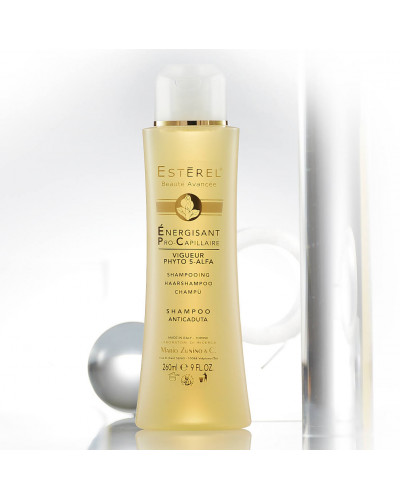
When it comes to treating seborrheic alopecia, it is essential to choose specific products that not only counteract hair loss but are also effective in regulating sebum production. Among the most effective solutions, the ESTĒREL’s SHAMPOO ÉNERGISANT PRO-CAPILLAIRE is specially formulated to prevent hair loss and counteract seborrhea, making it ideal for those with oily hair. Thanks to serenoa serrulata extract, it regulates sebum production and counteracts the action of the enzyme 5-alpha reductase, which is mainly responsible for abnormal hair loss.
Its formula contains natural ingredients such as soy protein, oleanolic acid and beech extracts, which strengthen hair structure, leaving it soft and shiny. Used regularly, it helps maintain healthy, strong and visibly stronger hair.
2. Anti-hair loss lotion
Topical lotions are among the most effective treatments to strengthen weakened hair and stimulate growth. Among them, the ESTĒREL’s ACTION PRO-CAPILLAIRE 10 AMPOULES represents a high biotechnological value treatment to prevent hair loss and treat thinning, indicated for both men and women. This product acts on multiple types of alopecia, including androgenetic alopecia, thanks to its formula rich in active ingredients such as mucopolysaccharides, soy protein, apigenin, and oleanolic acid, which help inhibit the action of the enzyme 5-alpha reductase. The vials stimulate growth by delivering essential nutrients to the hair bulb, and they are also effective in cases of seborrhea, toning and strengthening the hair. Regular treatment gives strength, volume and increased vitality to the hair, improving anchorage and prolonging the hair's growth phase.
3. Detoxifying mask
For a complete anti-hair loss routine, a detoxifying and energizing mask is ideal for purifying and toning the scalp. The ESTĒREL’s DETOX PRO-CAPILLAIRE MASK, with its rebalancing and purifying action, is particularly effective for oily hair and seborrhea. Its formula contains ingredients such as sericin, hydrolyzed wheat protein, and essential oils of lavender, eucalyptus, and sage, which work synergistically to eliminate toxins and impurities, promoting a healthy scalp and stimulating hair growth. When used before anti-hair loss shampoo, it boosts the effectiveness of subsequent treatments, leaving hair stronger, more vital and resilient.
Ideal for constant use, this mask improves the well-being of the scalp, preparing the hair to receive the benefits of anti-fall treatments.


For those who are always on the go and don’t want to give up their fall routine, the ESTĒREL’s SPECIAL ENERGIZING BOX is the ideal solution. Thanks to its practical travel size, this kit allows you to use the Energizing Pro-Capillaire Shampoo, the Action Pro-Capillaire Lotion and the Detox Pro-Capillaire Mask even when you are out of home, ensuring a complete treatment to treat hair loss and seborrhea. To be used twice a week, these products work in synergy to purify, energize and strengthen the hair, keeping the scalp healthy and the hair visibly stronger and more vital.
Extra tips:
Balanced diet and supplements
A diet rich in vitamins and minerals is essential to maintain healthy hair. In particular, vitamin B5, iron, zinc and omega-3 are valuable allies against hair loss. Supplementing your diet with specific supplements, under the supervision of a doctor or nutritionist, can boost the health of the crown.
Stress management techniques
Since stress plays a key role in seborrheic alopecia, relaxation techniques such as yoga, meditation or deep breathing can reduce cortisol, the stress hormone, and help improve scalp health.
Conclusions
Seborrheic alopecia is a complex condition that requires intervention on several fronts. Treating the scalp with targeted treatments and following healthy habits is essential to reduce hair loss. Although there are no immediate solutions, a constant routine and the use of appropriate products can help to effectively counteract the problem, restoring strength and vitality to the hair.
In Same Category
- Hair loss after bariatric surgery: How to support fine, thinning hair
- Long, bleached, dry hair with dandruff: complete routine for hair shafts and scalp
- Itchy scalp: what to do and which routine to choose
- How to strengthen fine and thinning hair: the ESTĒREL Ritual to give new strength to your hair
- Dry, itchy scalp: how to restore balance to your scalp and hair (even if it is coloured and you frequently use straighteners)